
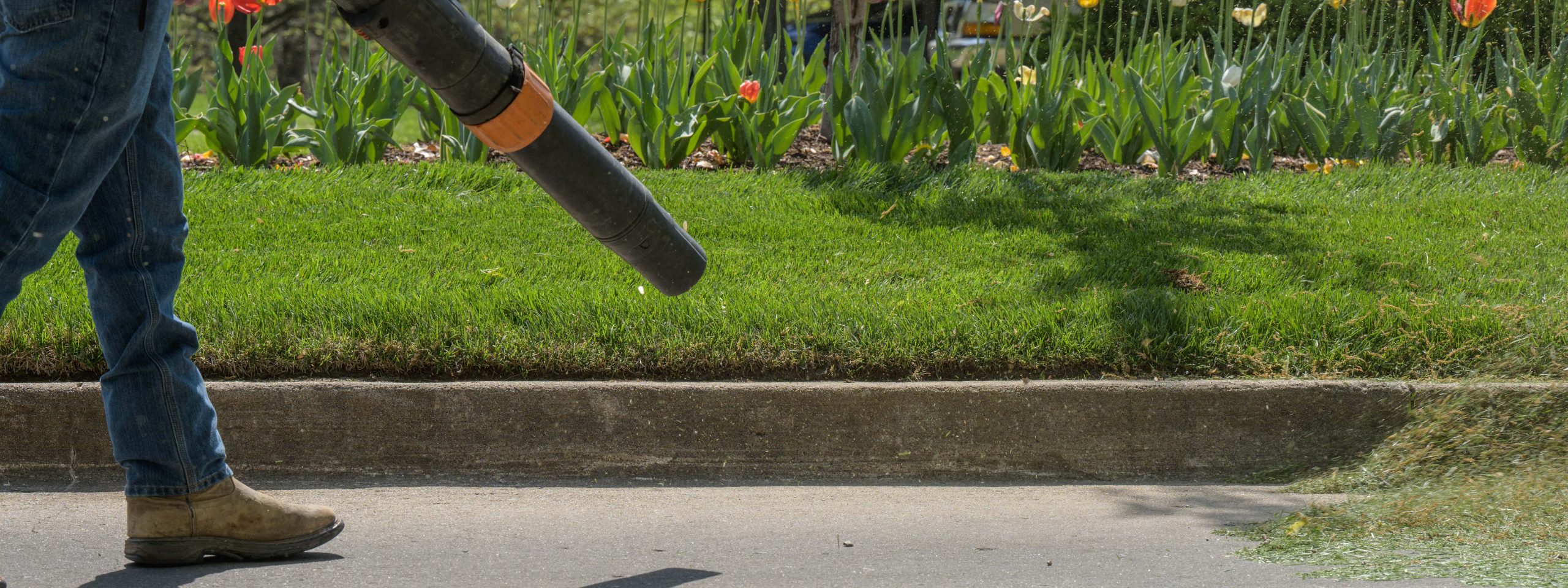
Grass clippings may seem like a minor detail in lawn care, but improper disposal can lead to environmental harm and even legal trouble in Comal County. To help protect our community and waterways, here’s what you need to know about handling clippings the right way.
Why it matters
When grass clippings are blown into streets, sidewalks, or storm drains, they don’t just disappear. Instead, they can clog drainage systems, which increases the risk of neighborhood flooding during heavy rains. Even more concerning, decomposing clippings release nitrogen and phosphorus, which fuel algae growth in rivers, creeks, and lakes.
Algae growth can lower oxygen levels in the water, harming fish and other aquatic life. In Texas, including Comal County, storm drains flow directly into local waterways without treatment. That’s why it is against county regulations to dump or blow yard waste into public rights of way, storm drains or drainage ditches.
In Veramendi, stormwater is treated through water quality basins or other methods before it is released into creeks and, ultimately, waterways. Still, the less waste that flows into storm drains, the better.
For more details, you can reference Comal County Solid Waste Management guidelines and the City of New Braunfels Stormwater Management Program.
Approved disposal methods
Mulch in place
- Use a mulching mower to leave clippings on your lawn.
- Clippings decompose quickly, returning nutrients back into the soil—meaning healthier grass and less need for chemical fertilizers.
- “Grasscycling” is a sustainable practice and allows decomposition to naturally enrich the soil and promotes a heathier lawn.
Trash cart option
Grass clippings may also be bagged and placed in your trash cart, if the lid closes completely and the cart isn’t overweight.
Be sure to use compostable or paper bags if required by your local service provider, and avoid plastic bags, which are prohibited for curbside green waste collection.
Compost locally
While the Comal County Recycling Center no longer accept green waste like grass clippings, it still offers free mulch made from other recycled yard waste.
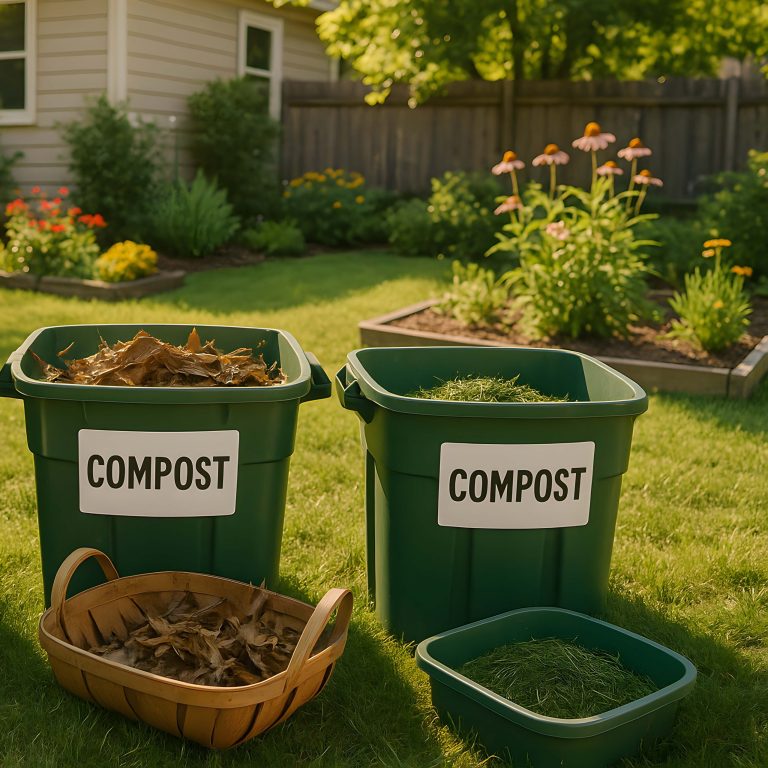
Home composting is another great option. By combining clippings with leaves, kitchen scraps, and other organic material, you can create rich compost for your garden.
For guidance, check out resources such as the EPA’s Community Composting page and the Texas Commission on Environmental Quality (TCEQ) Composting at Home guide.
What to avoid
- Blowing clippings into the street.
- Dumping them in storm drains, drainage ditches, creeks, or vacant lots.
- Using plastic bags for curbside green waste collection.
- Violations of these rules can lead to citations and fines, in addition to the environmental consequences.
A shared responsibility
Proper disposal of grass clippings prevents pollution in the Guadalupe River and local creeks, and ensures residents stay in compliance with local regulations. A little extra effort on each homeowner’s part goes a long way toward creating a greener, cleaner, and more sustainable community.